
 English
 Español
 Portugues
 Pусский
 العربية
 Türk dili
 Indonesia
 қазақ
қазақ فارسی
فارسی українська
 беларускі
 Filipino
 o'zbek
 български
 тоҷикӣ
 kiswahili
 Монгол
 አማራ
አማራ Ilocano
cơ chế màn trập lồng vào nhau
A shutter mechanism interlocking system is a critical component in various applications, particularly in security, automation, and industrial systems. It ensures the safe and efficient operation of shutters by coordinating the movement of multiple components to prevent malfunctions, damage, or safety hazards. The interlocking mechanism is designed to synchronize the opening and closing of shutters, ensuring they operate smoothly and reliably under different conditions.At its core, the interlocking system relies on mechanical, electrical, or a combination of both mechanisms to control the shutter's movement. In mechanical systems, gears, levers, or linkages are used to connect the shutter panels or slats, ensuring they move in unison. This prevents misalignment, jamming, or uneven operation, which could compromise the shutter's functionality. For example, in rolling shutters, the interlocking mechanism ensures that each slat moves seamlessly with the next, maintaining a consistent and secure barrier.In electrical or automated systems, sensors, motors, and control units are integrated to achieve precise interlocking. Sensors detect the position of the shutter and relay this information to the control unit, which coordinates the motor's operation. This ensures that the shutter opens or closes at the correct speed and stops at the desired position. The interlocking system also includes safety features, such as obstacle detection or emergency stop functions, to prevent accidents or damage.The interlocking mechanism is particularly important in high-security applications, such as access control systems or industrial enclosures. In these scenarios, the shutter must operate flawlessly to prevent unauthorized access or protect sensitive equipment. The interlocking system ensures that the shutter remains securely closed when required and opens only when authorized, maintaining the integrity of the protected area.Durability and reliability are key considerations in the design of shutter interlocking mechanisms. They must withstand repeated use, environmental factors, and potential wear and tear. Materials such as stainless steel, aluminum, or reinforced polymers are often used to ensure longevity and resistance to corrosion or damage.In summary, a shutter mechanism interlocking system is an essential feature that enhances the performance, safety, and reliability of shutters. By coordinating the movement of components and incorporating safety measures, it ensures smooth operation and prevents malfunctions, making it indispensable in a wide range of applications.
Sản phẩm
Danh mục:
-
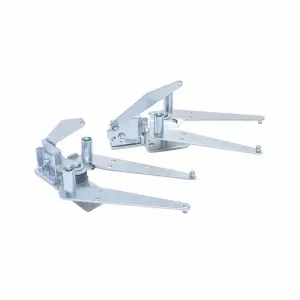
Cơ chế màn trập Khóa liên động cho thành phần thiết bị đóng cắt điện áp cao 12kv 5EB320.0101ZS
Phân loại của họ: Cơ chế màn trậpLượt xem: 1342Số:Thời gian phát hành: 2025-08-27 09:11:58Khóa liên động cơ chế cửa trập cho thiết bị đóng cắt điện áp cao 12kV 5EB320.0101ZS đảm bảo hoạt động an toàn và đáng tin cậy của thiết bị đóng cắt trung thế. Được thiết kế để đảm bảo độ chính xác và độ bền, nó ngăn chặn truy cập trái phép, tăng cường an toàn và hỗ trợ bảo trì hiệu quả. Lý tưởng cho các hệ thống phân phối điện công nghiệp, tiện ích và thương mại cần bảo vệ điện áp cao.
Tin tức
Danh mục:
Không có kết quả tìm kiếm!
Trường hợp
Danh mục:
Không có kết quả tìm kiếm!
Video
Danh mục:
Không có kết quả tìm kiếm!
Tải về
Danh mục:
Không có kết quả tìm kiếm!
Tuyển dụng
Danh mục:
Không có kết quả tìm kiếm!
Sản phẩm được đề xuất
Không có kết quả tìm kiếm!



 Điện thoại